PDO Mono Threads
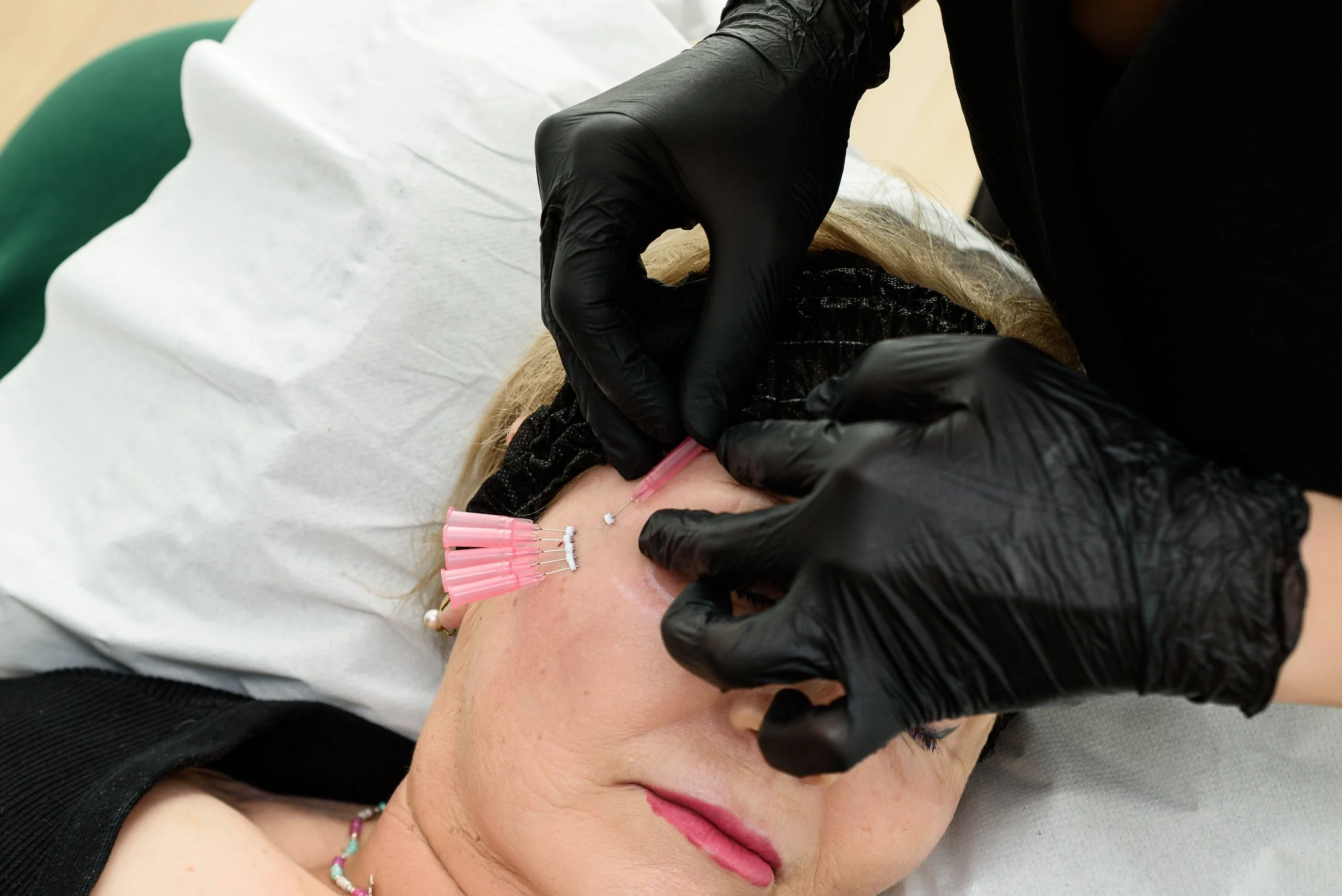
PDO (Polydioxanone) mono threads are absorbable medical-grade threads used by trained clinicians as part of skin rejuvenation procedures. Mono threads are smooth threads (without barbs) that are inserted into the superficial layers of the skin to support skin texture and firmness.
Supportive framework: PDO mono threads provide temporary structural support to the skin, which is gradually absorbed by the body over time.
Clinical effect: They may be used as part of a broader skin treatment plan to help support natural skin processes.
Procedure customisation: Thread placement, number of threads, and treatment areas are tailored by the clinician based on individual assessment.
Conditions Commonly Assessed
PDO mono threads may be considered by a registered clinician as part of a personalised skin care plan for supporting:
Mild skin laxity or sagging: Areas where the skin may benefit from additional structural support
Early signs of skin ageing: Such as fine lines or reduced firmness
Loss of skin texture or volume: Where threads may complement other clinically appropriate treatments
Skin rejuvenation support: To assist natural processes of firmness and elasticity
Suitability for PDO thread treatment is assessed individually by a clinician, based on skin type, medical history, and treatment goals. Results can vary, and PDO threads are used as part of practitioner-directed care, not as a guaranteed solution.
What to Expect During Treatment
PDO mono thread treatments are performed in a clinical setting by trained, registered health practitioners who follow strict safety and hygiene protocols. Every procedure is tailored to your individual skin needs and overall treatment plan.
Local anaesthesia or numbing agents may be applied to minimise discomfort
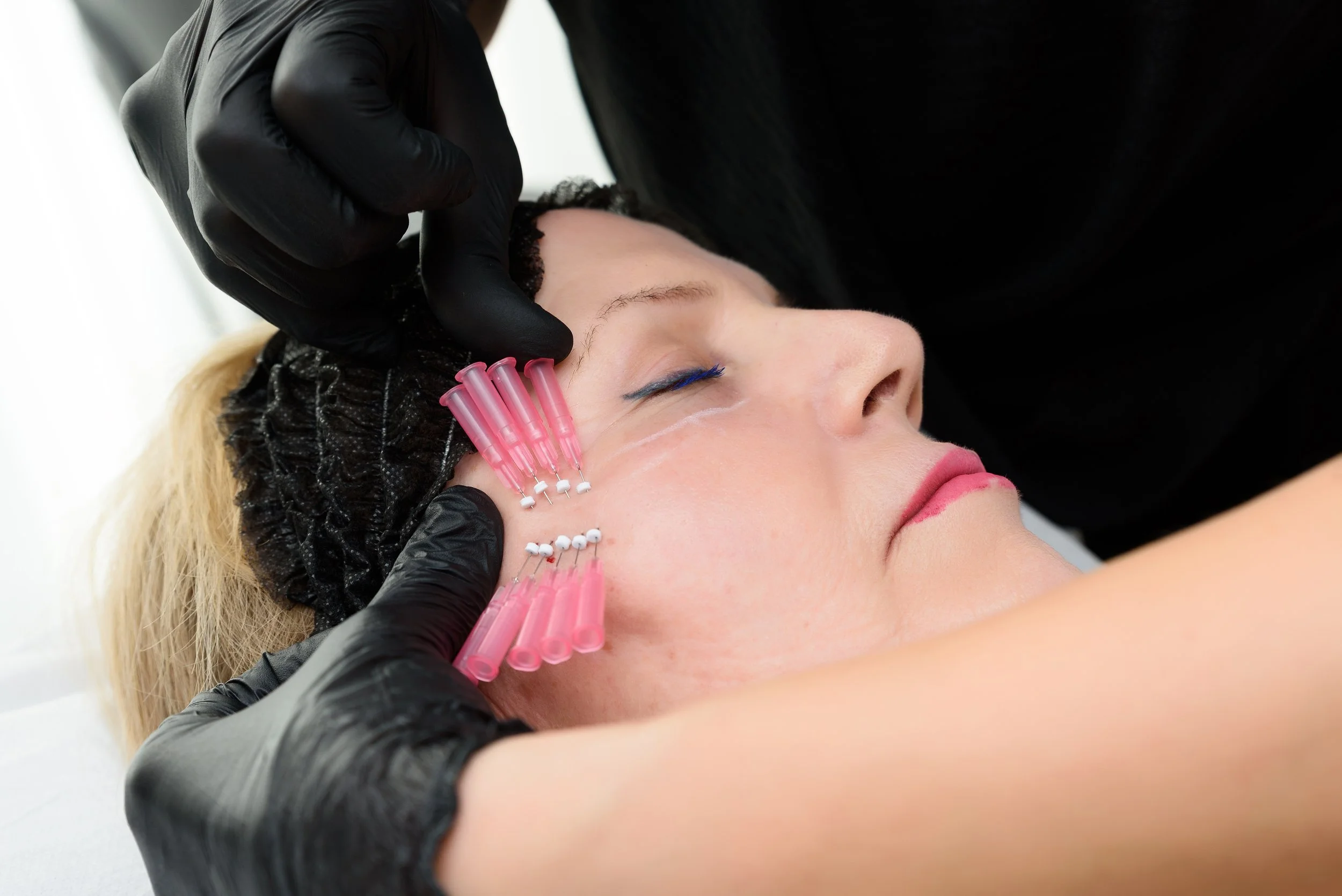
PDO mono threads are gently inserted into the superficial layers of the skin using fine needles
Thread placement, number, and depth are customised to your skin and goals
Most sessions take between 30–60 minutes
Mild redness, swelling, or pinpoint bruising may be observed immediately after the procedure
Aftercare instructions are provided to support recovery
Your Consultation
Before any PDO thread treatment, a registered health practitioner will:
Discuss your concerns, expectations, and medical history
Examine your skin to determine suitability
Explain the procedure, potential risks, and alternatives
Provide information on aftercare and recovery
Not all clients are suitable for PDO thread treatments, and outcomes vary depending on individual factors and clinical assessment.
-
PDO mono thread treatments are performed exclusively by trained, registered health practitioners in a clinical setting. Safety measures include:
Strict adherence to infection control and hygiene protocols
Individual assessment of suitability based on medical history and skin condition
Use of medical-grade, absorbable threads under professional supervision
Continuous monitoring during treatment to minimise risks
Although complications are uncommon, as with any clinical procedure, there are potential risks and side effects that you should be aware of.
Common, Temporary Reactions
Redness or mild swelling at insertion points
Tenderness or discomfort in treated areas
Bruising or small pinpoint bleeding
Itching as the skin begins to recover
These effects are typically short-lived and resolve within a few days.
Less Common Risks
Infection if post-treatment care instructions are not followed
Thread displacement or uneven placement
Rare hypersensitivity or reaction to the thread material
Small nodules or bumps under the skin, usually temporary
-
PDO mono threads are used to support natural skin processes rather than produce guaranteed outcomes.
Individual responses vary depending on factors such as skin type, age, and treatment area.
Multiple sessions or complementary treatments may be recommended by your clinician to support overall results.
Visible improvements may appear gradually as the threads are absorbed and the skin responds naturally.
Important: PDO thread treatments are part of a clinician-directed care plan. No specific results can be guaranteed, and suitability is assessed on a case-by-case basis.
-
PDO mono threads are classified as medical devices and are used as part of a regulated health service.
All treatments are provided by registered health practitioners who are trained in thread procedures and device safety.
This page provides factual, educational information about PDO mono threads and associated clinical procedures.
No specific outcomes or results are guaranteed. Individual responses vary depending on skin type, age, and treatment plan.
Information is provided in accordance with AHPRA guidelines for advertising regulated health services and TGA requirements for therapeutic goods advertising.
Treatments are clinician-directed and suitability is assessed on a case-by-case basis.
Patients should discuss any questions, concerns, or medical conditions with their registered practitioner prior to treatment.
-
100 threads for $700